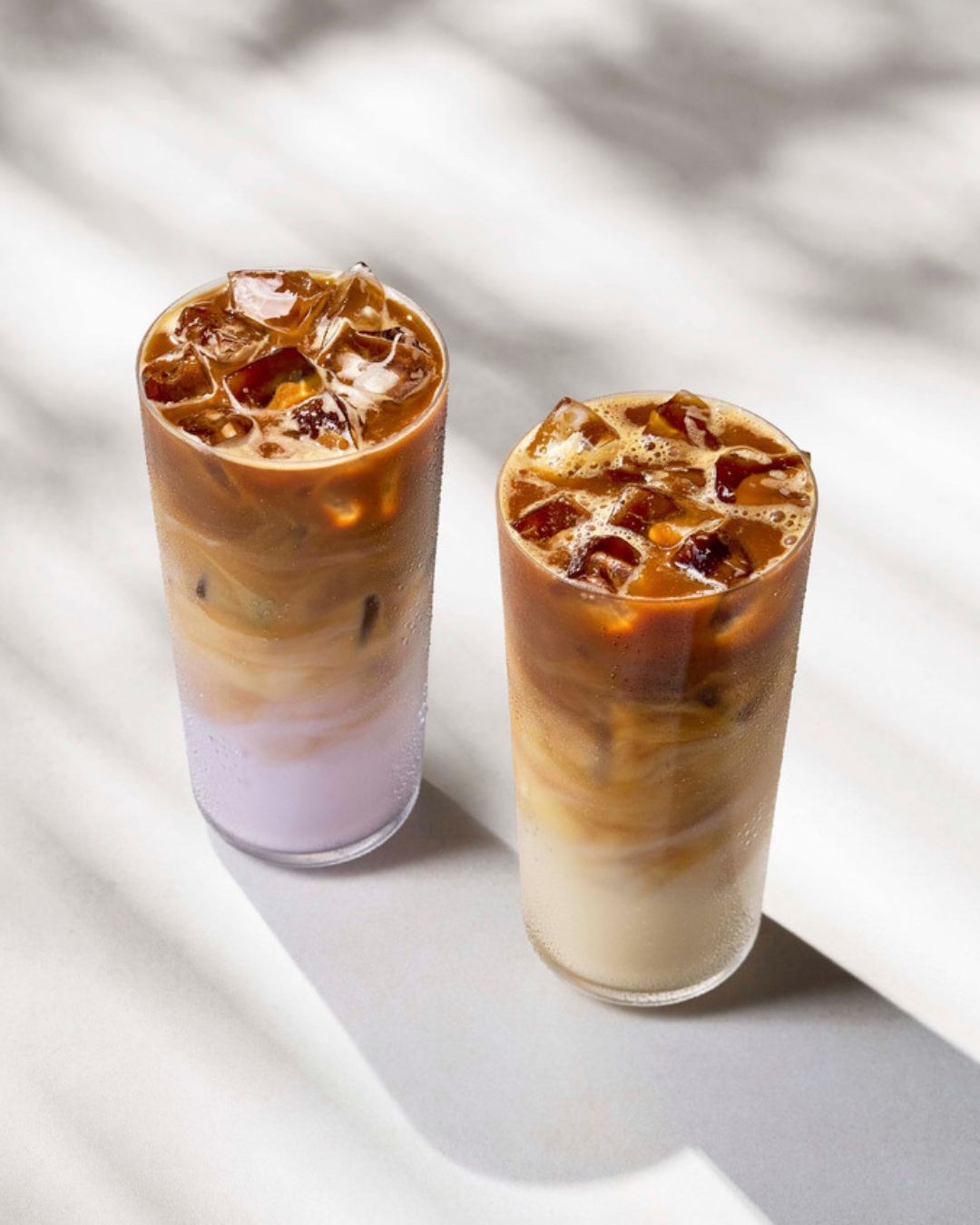
From classic iced coffee and creamy iced lattes to smooth cold brew and nitro coffee, cold coffee has evolved into a diverse and exciting category. Today’s cold coffee market is driven by innovation, convenience and a growing demand for premium café quality experiences wherever people are.
We’ve seen this shift first hand across our global stores, with different countries embracing cold coffee in their own unique ways.
But how did cold coffee become such a major part of the industry, and could it really represent the future of coffee?
THE EVOLUTION OF COLD COFFEE
Iced coffee has long been a popular way to enjoy coffee, offering all the flavour and character of espresso in a refreshing format. Whether it’s an iced americano, iced latte or espresso poured over ice, these drinks continue to be favourites for coffee lovers around the world.
Alongside these classics, new brewing methods and serving styles have expanded what cold coffee can offer.
Cold brew, for example, is made by steeping coffee grounds slowly in cold water for many hours, creating a naturally smooth, sweet and balanced flavour profile. Nitro coffee has also grown in popularity, combining cold brew with nitrogen to create a velvety texture and creamy mouthfeel.
Together, these styles have helped cold coffee become an even more exciting part of speciality coffee culture.

COLD BREW AND THE AMERICAN COFFEE SCENE
In the United States, cold coffee culture has become a major part of everyday coffee drinking. Many consumers now choose iced drinks all year round, with cold brew in particular becoming hugely popular thanks to its smooth flavour and refreshing finish.
Across our US stores, cold brew has become an important part of the menu, reflecting growing demand for premium cold coffee experiences. The popularity of cold brew in America has also influenced coffee trends globally, helping drive innovation in ready to drink coffee, nitro coffee and café style iced beverages.
The rise of cold coffee in the US has shown that iced coffee is no longer simply seasonal, it has become part of modern coffee culture.
FREDDO CULTURE IN POLAND AND CYPRUS
Different countries have embraced cold coffee in different ways, and some of the most popular cold coffee traditions can be found in Europe.
In both Poland and Cyprus, Freddo coffees have become customer favourites in our stores. Originating in Greece, the Freddo is a chilled espresso based coffee that is blended or shaken with ice to create a rich, smooth and refreshing drink.
The Freddo Espresso delivers a bold and intense coffee flavour, while the Freddo Cappuccino combines iced espresso with a layer of cold, velvety milk foam for a lighter and creamier experience.
Particularly in warmer climates such as Cyprus, cold coffee plays a major role in café culture for much of the year. Meanwhile in Poland, demand for iced and blended coffee drinks continues to grow as customers increasingly embrace cold coffee beyond the summer months.
COLD COFFEE HAS BECOME A YEAR ROUND HABIT
One of the biggest changes in recent years is that cold coffee is no longer reserved for warmer weather. Consumers are now choosing iced drinks throughout the year, driven by changing lifestyles, convenience and evolving tastes.
Younger coffee drinkers in particular are embracing cold beverages as part of their daily routines. Iced lattes, espresso tonics and flavoured cold brews have become staples of café culture, while social media has also played a major role in popularising visually appealing cold coffee creations.
At the same time, consumers are becoming more adventurous with flavours and formats. Oat milk cold foam, coffee mocktails and hybrid drinks featuring ingredients like matcha or hojicha are increasingly appearing on café menus around the world.
.png)
THE RISE OF READY TO DRINK COFFEE
Another major shift within the coffee industry has been the growth of ready to drink coffee.
Premium canned cold brews, iced lattes and functional coffee drinks are now widely available in supermarkets, convenience stores and gyms, offering consumers a quick and accessible way to enjoy high quality coffee on the move.
Importantly, quality expectations have risen dramatically. Today’s consumers are looking for speciality grade coffee, traceable sourcing and carefully balanced flavour profiles, even in convenient grab and go formats.
Health and wellness trends are also influencing the category. Lower sugar recipes, dairy alternatives and protein coffees are becoming increasingly common, while some brands are experimenting with added vitamins, adaptogens and functional ingredients.
CONVENIENCE MEETS CRAFT
Despite the rapid growth of cold coffee, flavour and craftsmanship remain central to its success.
Consumers still care deeply about where coffee comes from, how it is roasted and the quality of the final cup. In many ways, the rise of cold coffee has encouraged greater experimentation with beans, origins and brewing methods.
Speciality cafés are continuing to push boundaries with carefully developed cold brew recipes, single origin iced coffees and innovative serving styles that highlight the natural characteristics of different coffees.
Cold coffee has also become more accessible at home, with bottled concentrates, brewing kits and café inspired recipes allowing consumers to recreate premium drinks in their own kitchens.
SO, IS THE FUTURE OF COFFEE COLD?
Hot coffee is not going anywhere. The ritual, aroma and comfort of a freshly brewed cup remain an essential part of coffee culture.
But cold coffee has clearly evolved from a niche trend into one of the industry’s most exciting growth categories. It reflects changing consumer habits, demand for convenience and a growing appetite for experimentation and personalisation.
From classic iced coffees and iced lattes to cold brew, Freddo coffees and premium ready to drink beverages, cold coffee is continuing to reshape the way people experience coffee around the world.
The future of coffee may not be exclusively cold, but it is certainly becoming more diverse, more creative and more innovative than ever before.
.png)