-

What Is Single Origin Coffee?
Single-origin coffee is coffee sourced from one location rather than multiple locations. This could refer to a single farm, a group of farms, or even a wider region within a country. Because of this, what actually qualifies as a “single” origin is not always clearly defined.
Generally, the appeal of single-origin coffee lies in its connection to a specific terroir. This means it reflects the unique environmental conditions in which it is grown, including climate, soil, and altitude. As a result, single-origin coffees are often valued for their distinctive and sometimes complex flavour profiles.
However, these characteristics can vary depending on seasonal and environmental changes, making consistency more difficult to achieve.
-

Is Single Origin Coffee Better?
Single origin coffee is not inherently better than blended coffee. Both have their own strengths and are suited to different purposes.
High-quality single-origin coffees are often desirable because of their uniqueness and limited availability. They can offer a more interesting and varied tasting experience, particularly for those who enjoy exploring different flavour profiles.
At the same time, their seasonality and natural variation mean they are not always suitable for wider or large-scale use. Even when available, their characteristics can change depending on growing conditions, making them less consistent.
It is this unpredictability that makes single-origin coffee exciting, but it is also the reason why blends are often more practical in many areas of the coffee industry.
-

What Is a Coffee Blend?
Blended coffee is created by sourcing and combining coffees from different locations to produce a carefully balanced final product.
This process is usually carried out during roasting, although it can also be done by combining roasted beans. The aim is to create a consistent and reliable flavour profile that can be maintained over time.
Blends are crafted to achieve a precise balance of flavour, aroma, acidity, bitterness, sweetness, and body. This allows coffee producers to highlight the best characteristics of each component and create a well-rounded cup.
Because of this, blended coffee is highly valued across the industry. It provides consistency for large-scale production while also allowing for expertly developed flavour profiles in speciality coffee.
-

Does Single Origin Mean Speciality Coffee?
Single origin and speciality coffee are often confused, but they refer to very different things.
Speciality coffee is defined by quality rather than origin. To be classified as speciality, a coffee must score 80 points or above on a 100-point scale by a certified coffee taster.
This means a coffee can be either single origin or a blend and still be considered speciality. The key factor is the quality of the final product, not whether it comes from one location or many.
-
.png)
Choosing Between Single Origin and Blend Coffee
There is no clear answer to whether single-origin or blended coffee is better, as each offers its own advantages and suits different preferences.
Choose a blend if you are looking for consistency, balance, and a reliable flavour in every cup, particularly for everyday drinking or espresso-based coffees. Opt for a single-origin coffee if you enjoy exploring unique, seasonal flavours and experiencing how different environments influence taste.
Ultimately, the choice is yours, and understanding the difference between single origin and blend coffee allows you to find what best suits your taste and how you like to enjoy your coffee.
You may also like
-
.jpeg)
Fresh From The Andes, The Ultimate Summer Coffee
Some of the finest coffee in the world is grown in Colombia. We’re delighted to bring you a single origin coffee that brings the brightness and clarity of a high-grown washed coffee. With hints of blackcurrant, toffee and apple it’s the perfect summer cup.
-
It'll All Come Out In The Wash
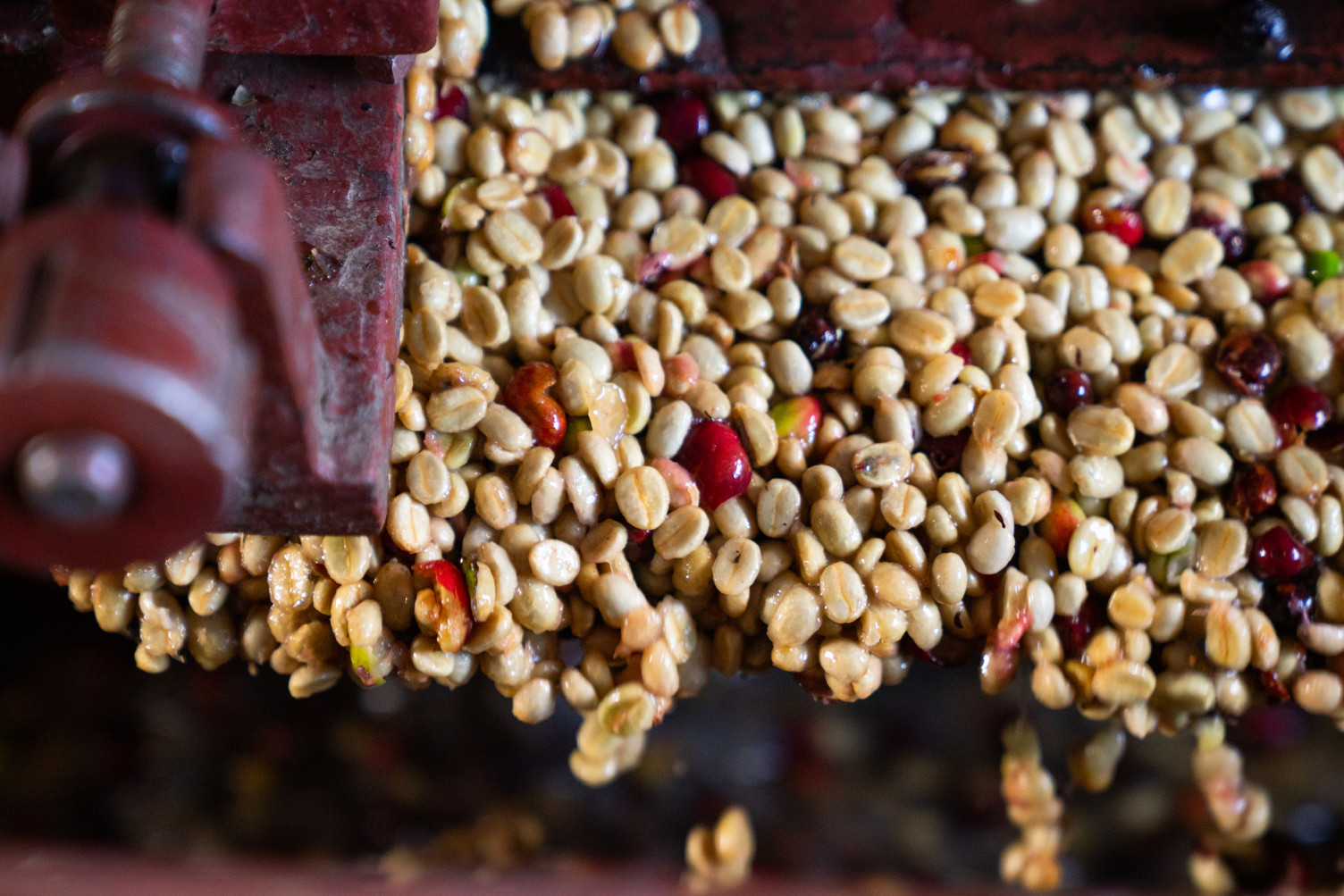
For most people all that really matters is how coffee tastes. It’s all about the cup - the mouth-feel, the ‘nose’, the joy. Lots of factors contribute to delivering that joyful cup experience and the terminology can be confusing so let’s bring some clarity to the terms ‘natural coffee’ and ‘washed coffee’.
-
.png)
What Makes A Coffee Special? The Facts About Speciality Coffee
What is speciality coffee? What makes it so special? And who gets to decide?