.png)
If only all coffees were made equal. Unfortunately, as most of us learn the hard way, this is not the case, which is why the term speciality coffee came into being.
.jpeg)
HIGHEST GRADE, FULLY TRACEABLE COFFEE
Essentially, speciality coffee is made with superior quality beans grown in terroir and micro-climates conducive to maximising flavour characteristics — high altitude, healthy soil, fresh water, biodiverse flora and fauna.
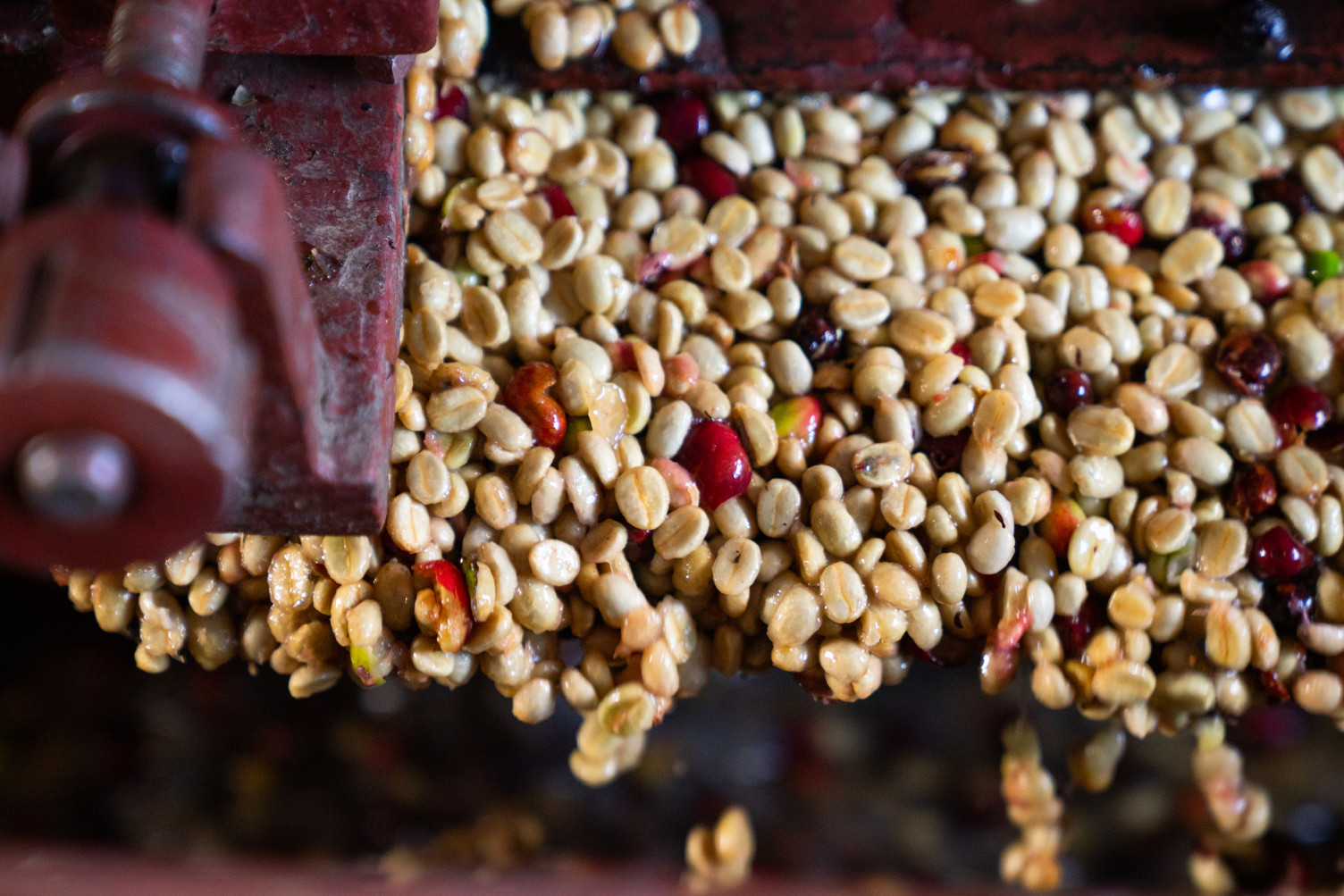
Only the ripest cherries will do, and farming, processing and roasting must be conducted with care and meticulous attention to detail. Short cuts are unacceptable and traceability is essential.
GLOBAL COFFEE ARBITER
The leading body responsible for assessing quality is the Specialty Coffee Association (SCA), which describes itself as “the largest global coffee trade association dedicated to making coffee better (#makecoffeebetter)”.
The SCA know their beans, and their expertise is widely respected within the coffee world.
HOW COFFEES ARE ASSESSED
Members of the SCA — of which Caffe Nero is one — submit individual coffees for a Coffee Value Assessment (CVA) that takes into account the attributes such as the quality of cherries picked, the altitude at which they are grown, the methodology and timing of the harvest, the health of the soil and how the beans are roasted.
Hidden factors such as sustainability practices, ethical sourcing and welfare of workers are also taken into account.
RATED OVER 80 BY THE SCA
Only coffees graded by the Specialty Coffee Association at 80 points or more, out of 100, can be labelled ‘speciality coffee’.
All Caffe Nero coffees surpass that threshold.
The system also applies to blended coffees. Our Classico blend, for example, is a blend of arabica and robusta coffees that, individually, have been rated above 80 points.
FREQUENTLY ASKED QUESTIONS
WHY CHOOSE SPECIALITY COFFEE?
Peace of mind, simple as that. When you buy a speciality coffee, as opposed to a mass-produced coffee (sometimes referred to as ‘commodity’ coffee), quality is assured.
WHERE DOES SPECIALITY COFFEE COME FROM?
There is no specific region. All coffee producers can submit coffee for assessment by the SCA, whether it is from Guatemala, Ethiopia or Vietnam. Single origin and blended coffees can be assessed.
HOW DO I KNOW IF A COFFEE IS A SPECIALITY COFFEE?
You will usually find the term used in the labelling. All Caffe Nero coffees are speciality coffees rated over 80 by the SCA.
DOES SPECIALITY COFFEE REFER TO THE ROAST LEVEL?
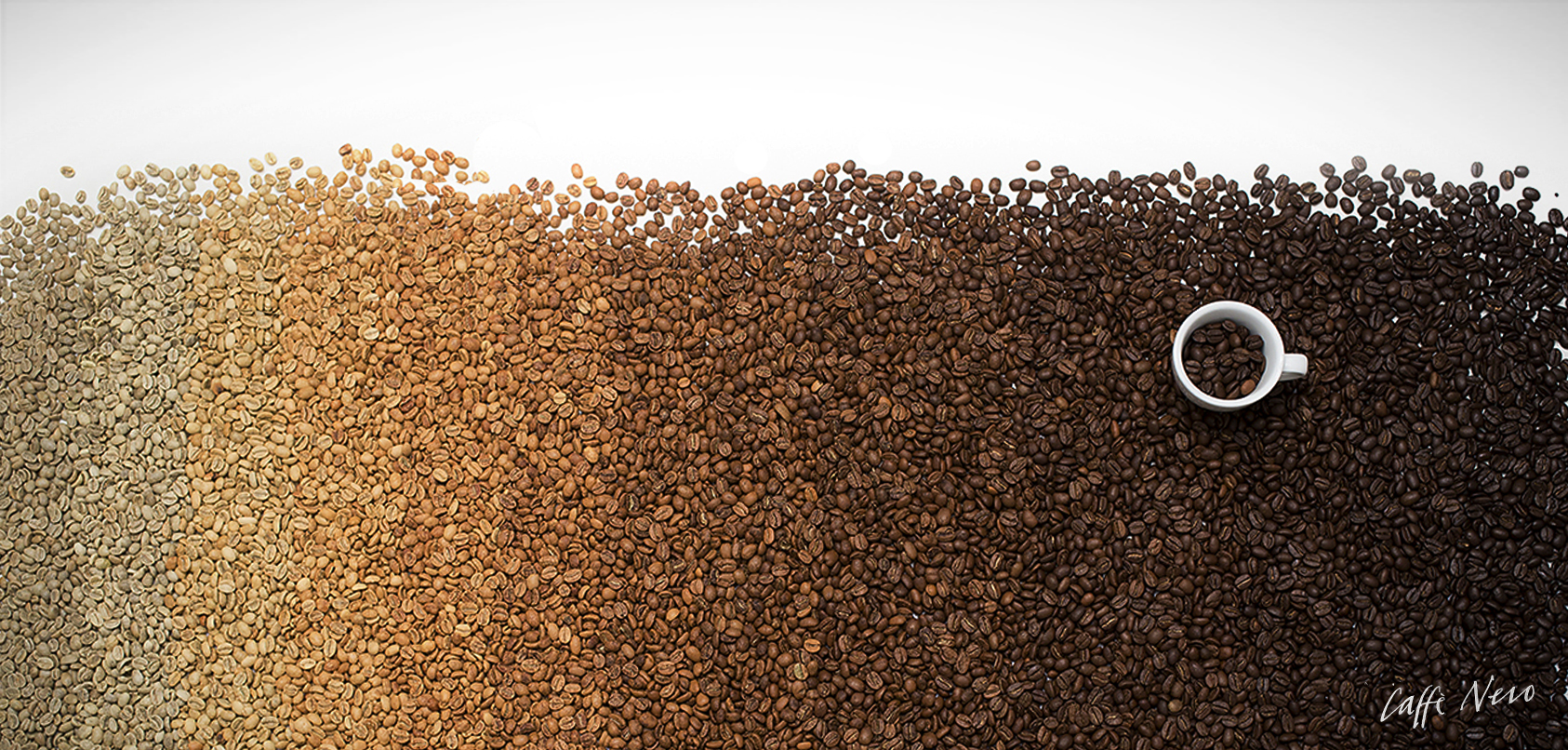
No. Speciality coffees can be light, medium or dark roasted but the quality of roasting will be taken into account. You can read more about roast levels and how they help to maximise flavour characteristics here [link].
WHEN DID THE TERM ‘SPECIALITY COFFEE’ ORIGINATE?
Speciality coffee is a relatively recent concept, with the term first coined by Erna Knutsen, a Norwegian coffee expert, in 1974. Knutsen was pioneering in her work with small trade coffee suppliers to promote single-origin coffee, a practice uncommon at the time.
Knutsen’s work led to industry-wide acceptance of the term ‘speciality coffee’ to describe exceptional quality coffee and the establishment of national and international bodies responsible for upholding standards of production through a framework for assessment.
WHY HAVE A RATINGS SYSTEM?
Most industries have systems to help promote best practice. In construction, technology, travel, health, academia, banking, leisure, the automotive industry — you name it — certification is crucial for maintaining standards.
In the food industry those standards are particularly stringent and, for a global commodity such as coffee, must be internationally recognised.
IN SUMMARY
A speciality coffee is:
· Rated over 80 points (out of 100) — by the SCA, a global body responsible for maintaining standards of production.
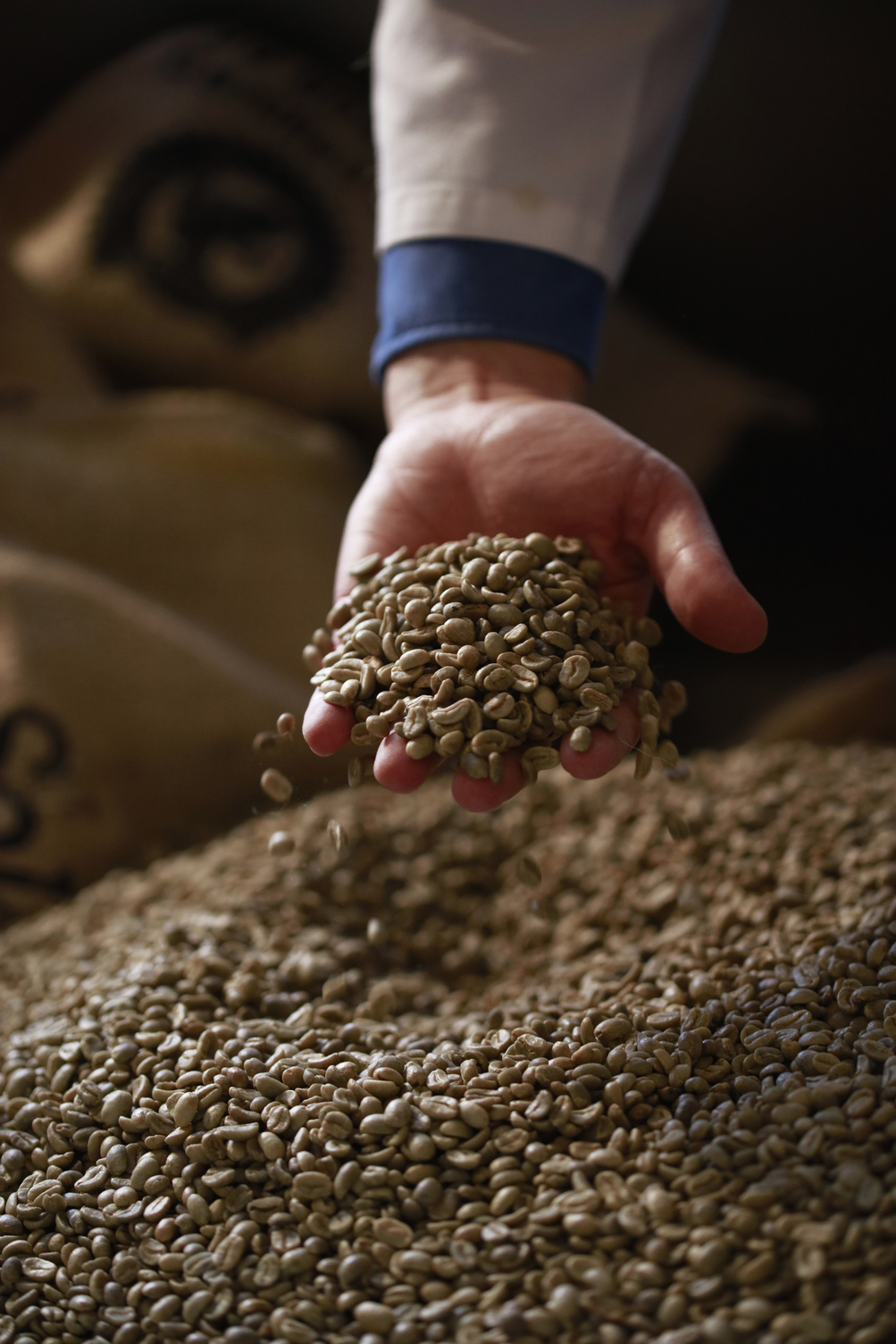
· Made with high quality beans — usually hand-picked.
· Grown in optimal conditions and terroir — to maximise flavour.
· Fully traceable — often back to the specific farm.
· Very fresh — the fresher it is, the better coffee tastes.
· Expertly roasted — often in small batches, to bring out greater depth and a more distinctive flavour profile.
· Responsibly produced — by farmers and producers committed to sustainability and higher ethical standards.
.jpeg)