A BIG DIFFERENCE IN FLAVOUR
For coffee drinkers what matters most is flavour — body, aroma, sweetness, acidity — all the things that make the taste experience special. When it comes to choosing coffee the roast level can be a useful indication of what to expect.
A light roast coffee, for example, will usually be quite bright on the palate with fruity overtones, a suggestion of berries and citrus-like acidity. Light in the mouth, with minimal bitterness.
A medium roast should be nicely balanced in terms of acidity with moderate bitterness and hints of chocolate, nuts and fruit. Think toasted bread, nuts and fruit.
And a dark roast will usually bring deep caramel and nutty flavours to the fore, underpinned by rich chocolate overtones. It could also be a little smoky and bittersweet, as opposed to honeyed. Intense, yet smooth in the mouth with no acidity.
COLOUR INDICATES THE ROAST LEVEL
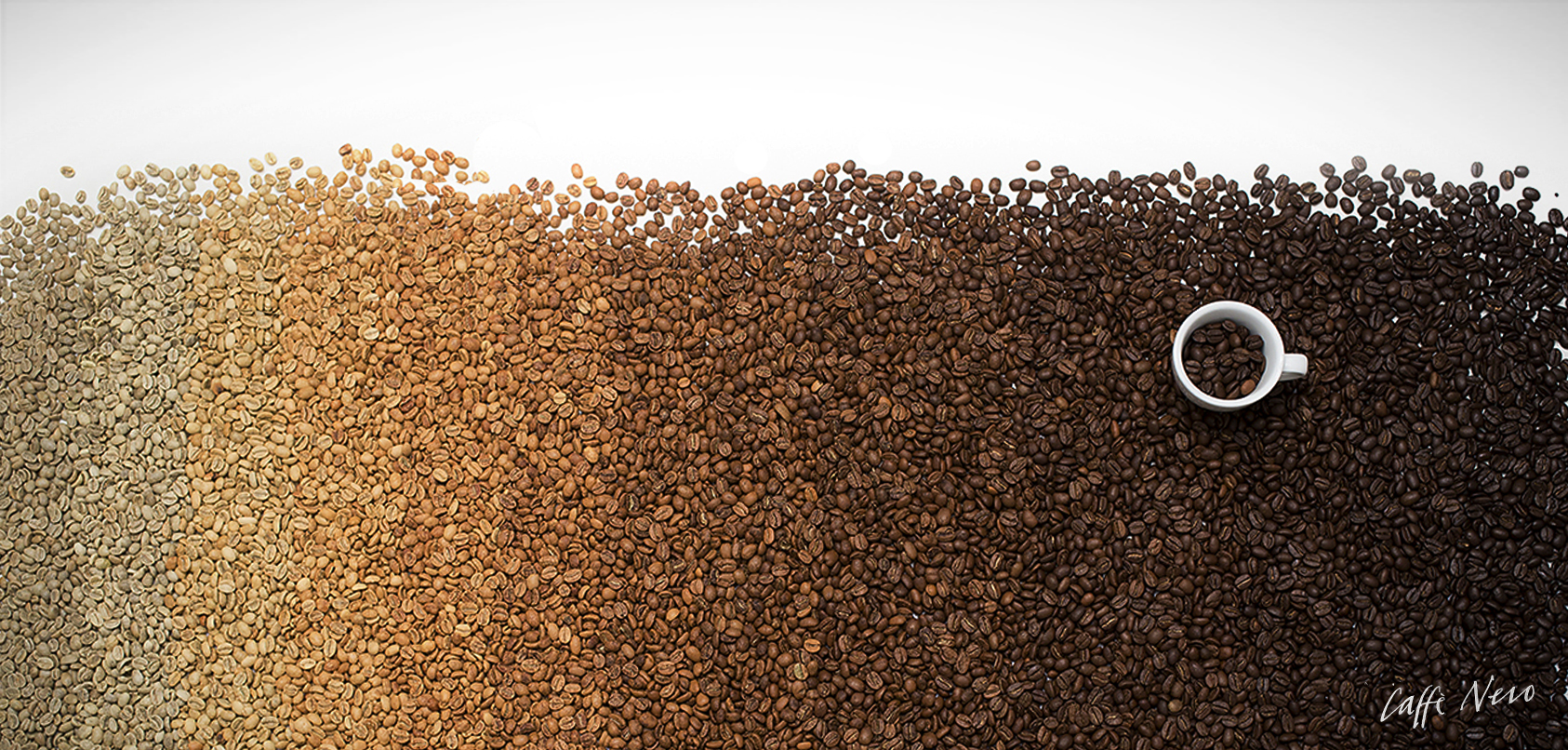
A light roast coffee bean is the colour of milk chocolate with a silvery crease and a dry, matte surface whereas dark roast beans will be dark chocolate brown with a shiny, oily sheen. Medium roast coffee will be somewhere between the two.
Essentially, the darker and shinier the coffee the more likely it is the beans will have been roasted longer, to a slightly higher temperature.
This brings us to the process known as roasting.
FROM RAW BEANS TO THE ROASTERY
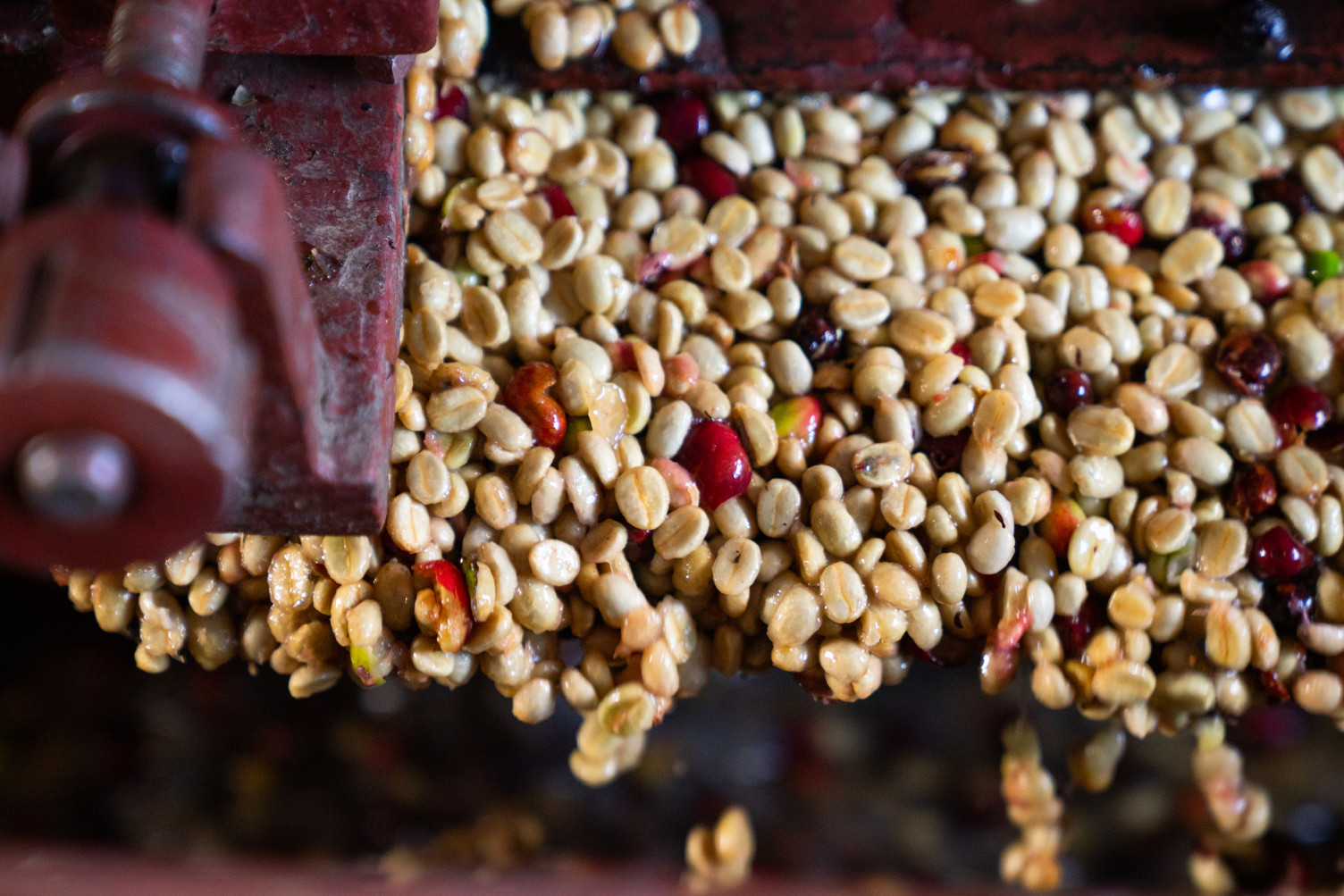
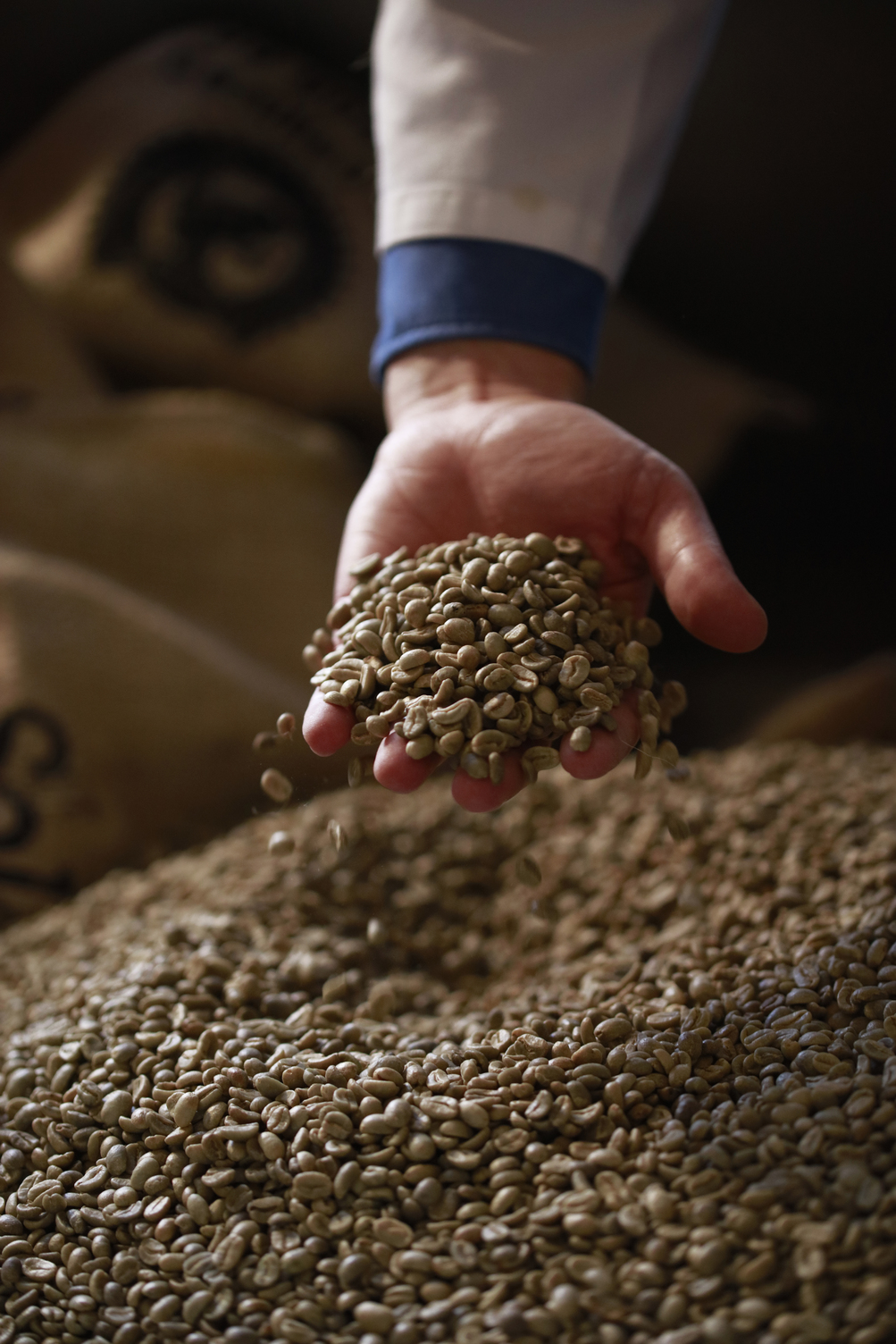
When coffee cherries — the bright red fruit of the coffee plant — are ripe they are harvested, de-pulped, husked and dried to produce raw coffee beans, often referred to as green coffee due to the subtle green tinge of the beans. But raw coffee is incredibly bitter and indigestible. It needs to be roasted.
THE MAILLARD REACTION
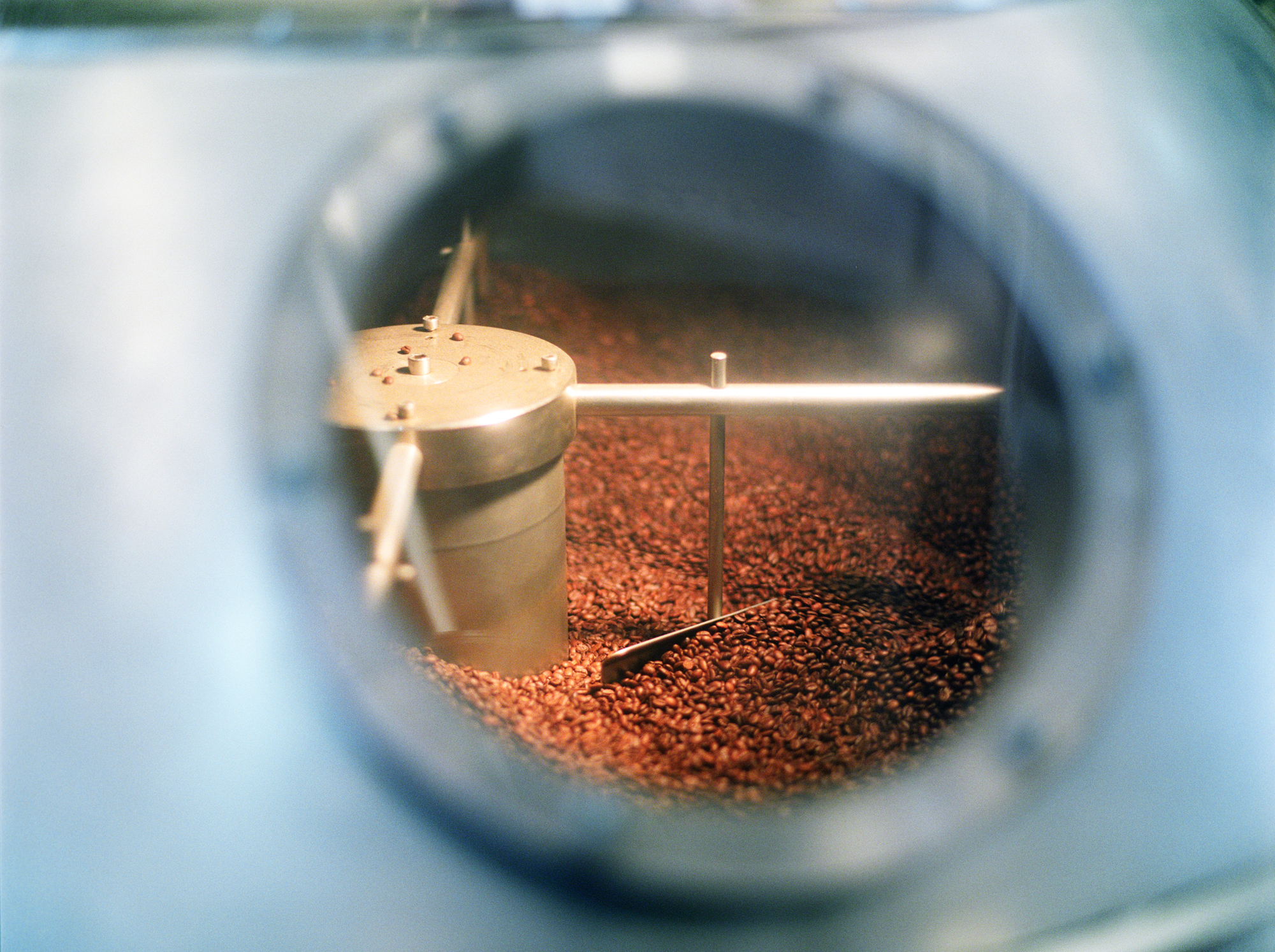
In a commercial coffee roaster — essentially a big oven in which beans are constantly churned to ensure even exposure to heat — the green coffee turns brown due to a process known as the Maillard reaction.
When the temperature rises to between 170 and 200C the chemical composition of amino acids and sugars within the beans changes to produce complex flavours, aromatic compounds and that tell-tale browning. Think of toasting bread or roasted beef — the outside turns brown. That’s Maillard.
CARAMELISATION IS KEY
As the beans are browning, something even more crucial is also taking place: caramelisation.
Chefs often talk about caramelising food to enhance flavour. If you blow-torch the surface of a crème brûlée, for example, there’s a visible change as the sugars react to the heat and solidify. This is caramelisation.
And it’s not just a textural difference. The taste alters, too. Simple sugars become complex, richly-flavoured compounds with pronounced nutty tones, toasted notes and a subtle, pleasing bitterness that, in a crème brûlée helps offset the cloying sweetness of the custard underneath.
TEMPERATURE DETERMINE THE ROAST LEVEL
Back to the roaster. As the temperature increases there’s a point at which caramelisation ends. This is known as the ‘first crack’, and usually happens at just over 200C. The heat literally causes the beans to crack. You can see them dancing as they do.
Lighter roasts may stop here but for darker roasts the beans are exposed to higher temperatures. A medium roast may be heated to 220C. Above 220C pyrolysis takes place causing oils and more complex aromatics to be released — a classic dark roast may be achieved at around 240C.
THE SKILL OF THE ROASTER
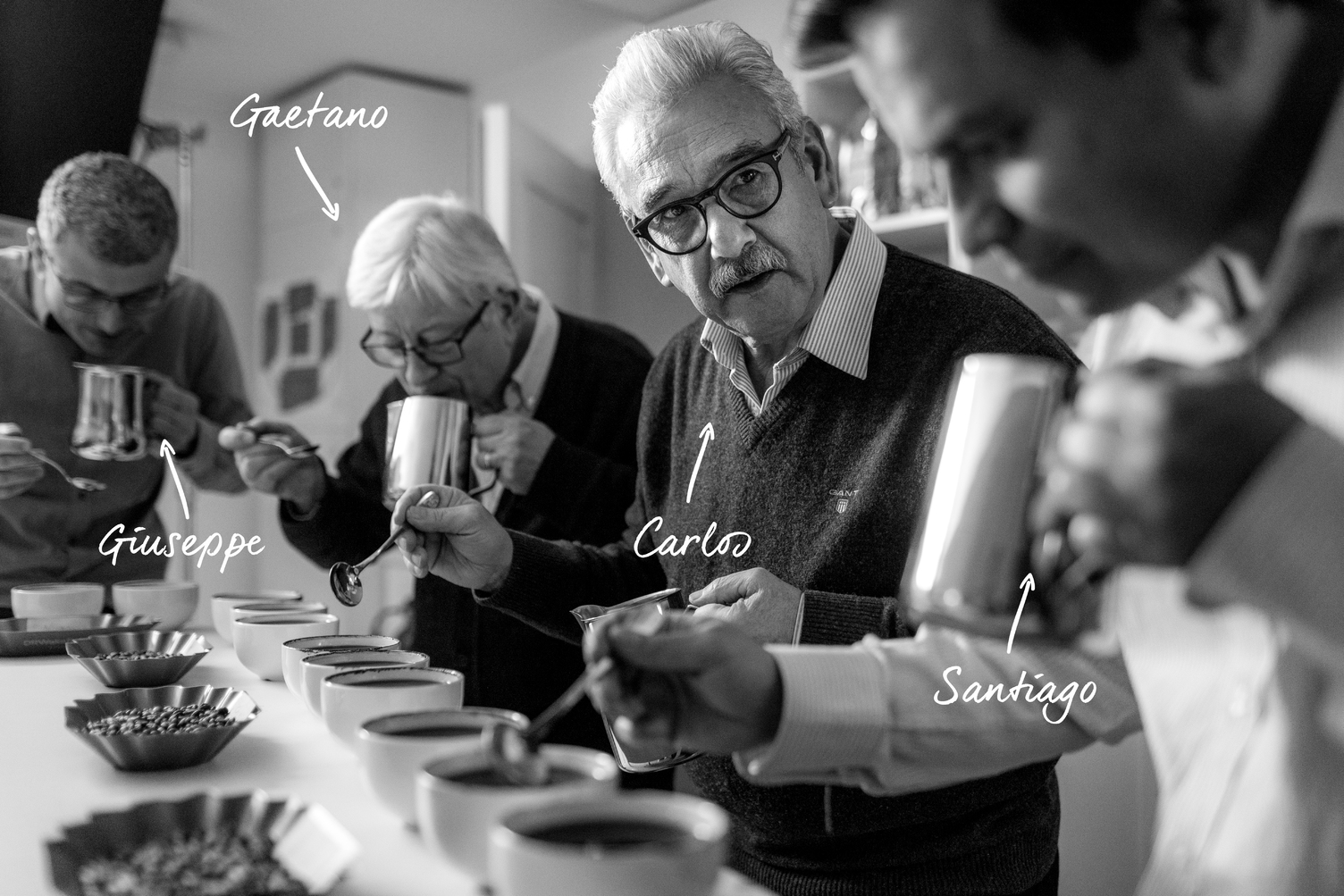
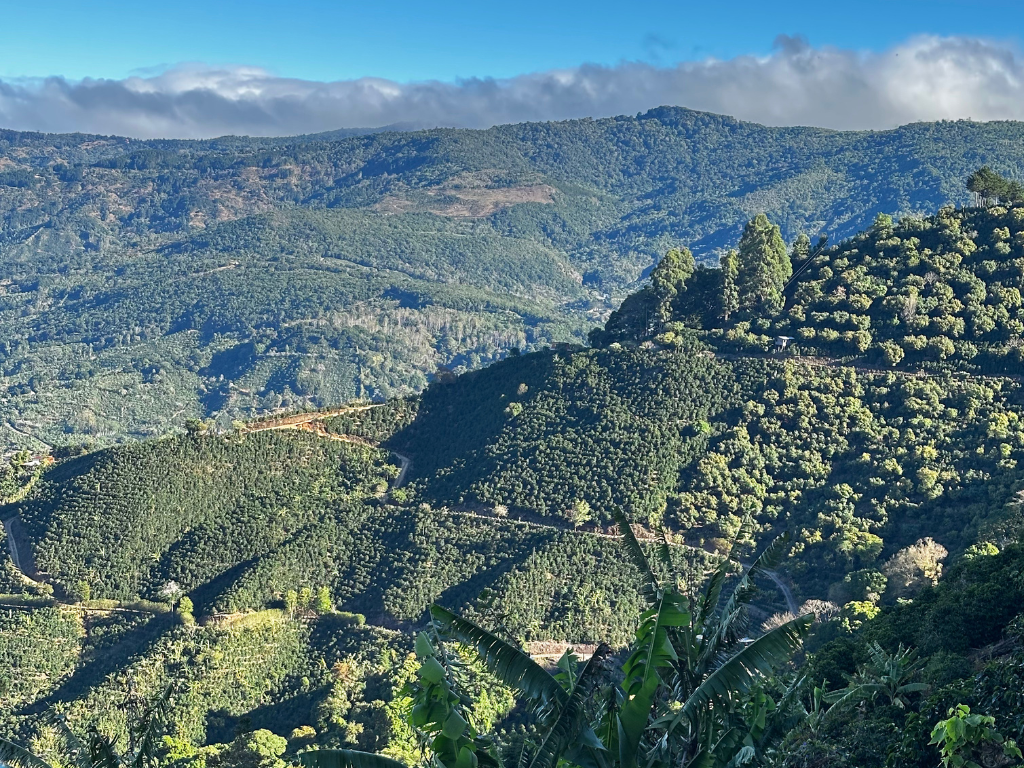
The aim of roasting is to maximise sweetness, while remaining true to each varietal’s innate flavour profile and unique terroir — soil, climate, elevation, water source, local flora etc.
If you’ve selected a coffee for its expressive citrus notes or berry-like undertones a lower temperature might help preserve that fruity exuberance.
Of course, finding that sweet spot is a skill in itself. Experienced roasters will instinctively know when they see, smell and feel a batch of raw coffee how it should be roasted to enhance the most desirable characteristics.
WHY ONLY THREE LEVELS OF ROAST?
Good question. A simplified labelling system makes it easier to choose. However, it’s important to state that ‘light roast’, ‘medium roast’ and ‘dark roast’ are only a guide, not a precise measurement. Coffees vary by region so a light roast Ethiopian may taste very different to a light roast Kenyan.
WHICH LEVEL OF ROAST SHOULD YOU CHOOSE?
Only you can answer this. Everyone is different, and your choice of coffee may depend on your mood, the time of day, the season, or whether you’re tucking in to a well-deserved Danish pastry.
At Caffe Nero we try to give you quality across the roasting spectrum. Most of our Single Origin coffees are medium roasted to highlight the subtle flavour characteristics of each region, whereas Classico, our signature blend, and Siena are in the medium-dark bracket. For a dark, rich, bold roast Napoletano is the one.
.jpg)
WHAT IS THE BEST BREWING METHOD?
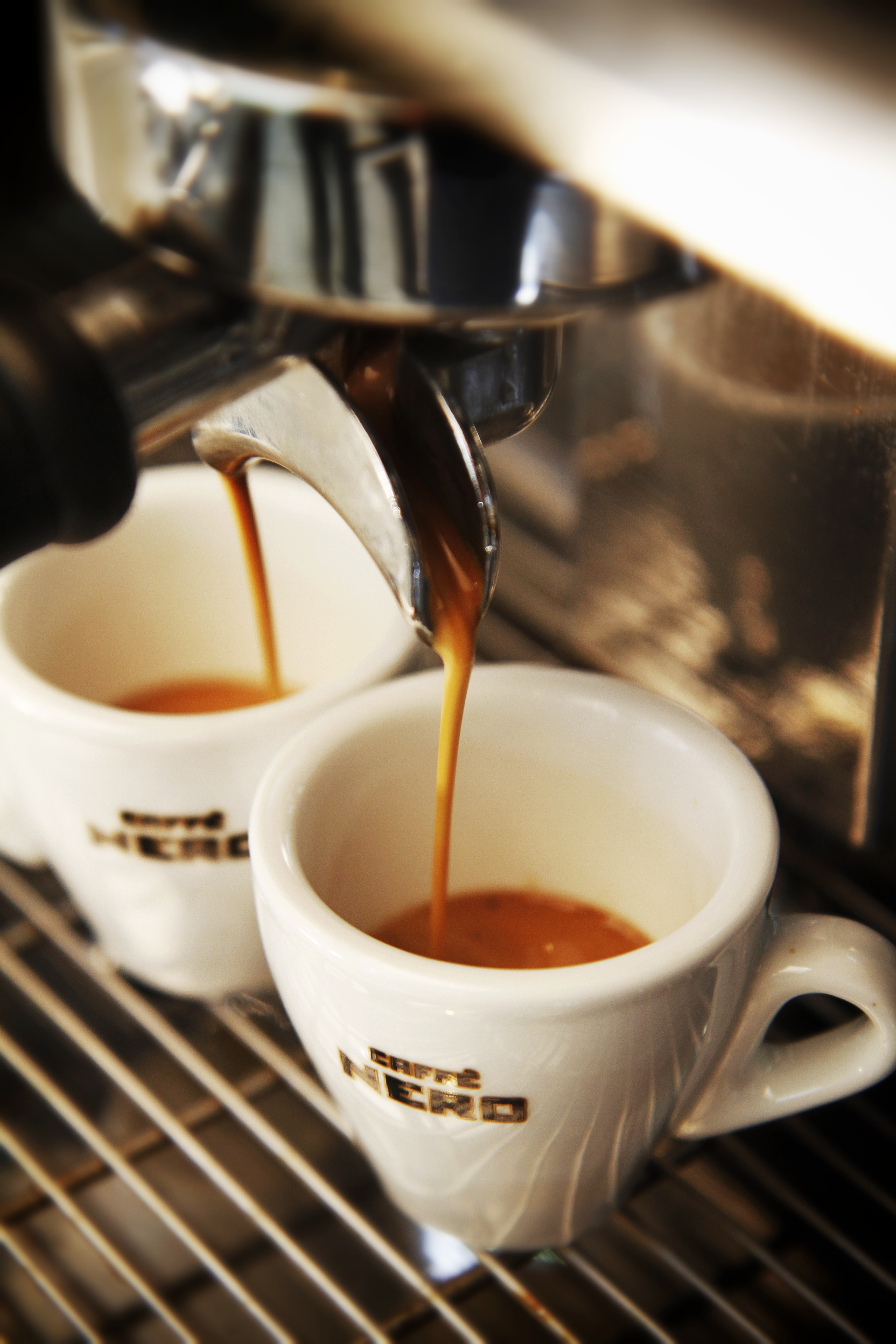
There is no hard and fast rule, but darker roasts tend to work well in espresso machines, which force hot water through coffee grains at very high pressure.
Lighter roasts tend to release their subtleties through gentler methods like filtration. A French press (or cafetiere), which relies on moderate compression, would be ideal for a medium roast.
But don’t worry; if you have a favourite method of delivering coffee you can still serve a great cup whatever the level of roast, as long as the coffee itself is high quality. Quality in all things is our mantra.
DO ALL THREE LEVELS OF ROAST WORK WITH MILK?
Yes, although some aficionados prefer to enjoy light roast coffees ‘black’ because the subtler flavours may be lost beneath the milk.
WHICH COFFEES HAVE THE HIGHEST CAFFEINE?
There’s actually very little difference between light, medium and dark roasts in caffeine levels, which tend to be determined more by the coffee varietal or terroir than the level of roast.
The ‘strength’ of your coffee — in terms of how it tastes — is largely down to the brewing method, the coarseness of the grind and how much coffee you use.
So there you have it. To recap…
The aim of roasting is to increase sweetness, maximise flavour and bring out the true character of the coffee.
High temperatures change the structure of amino acids and sugars within each bean to induce caramelisation and release complex aromas.
The terms ‘Light Roast’, ‘Medium Roast’, ‘Medium-Dark Roast’ and ‘Dark Roast’ relate to the temperature of the roast.
Generally, light roast coffee is bright, fresh and flavour-forward; medium roasts are balanced and approachable; and dark roasts are bold, rich and comforting.
The level of roast you prefer is personal; there’s no ‘best’ roast, only your favourite.
.jpeg)