START AT THE VERY BEGINNING
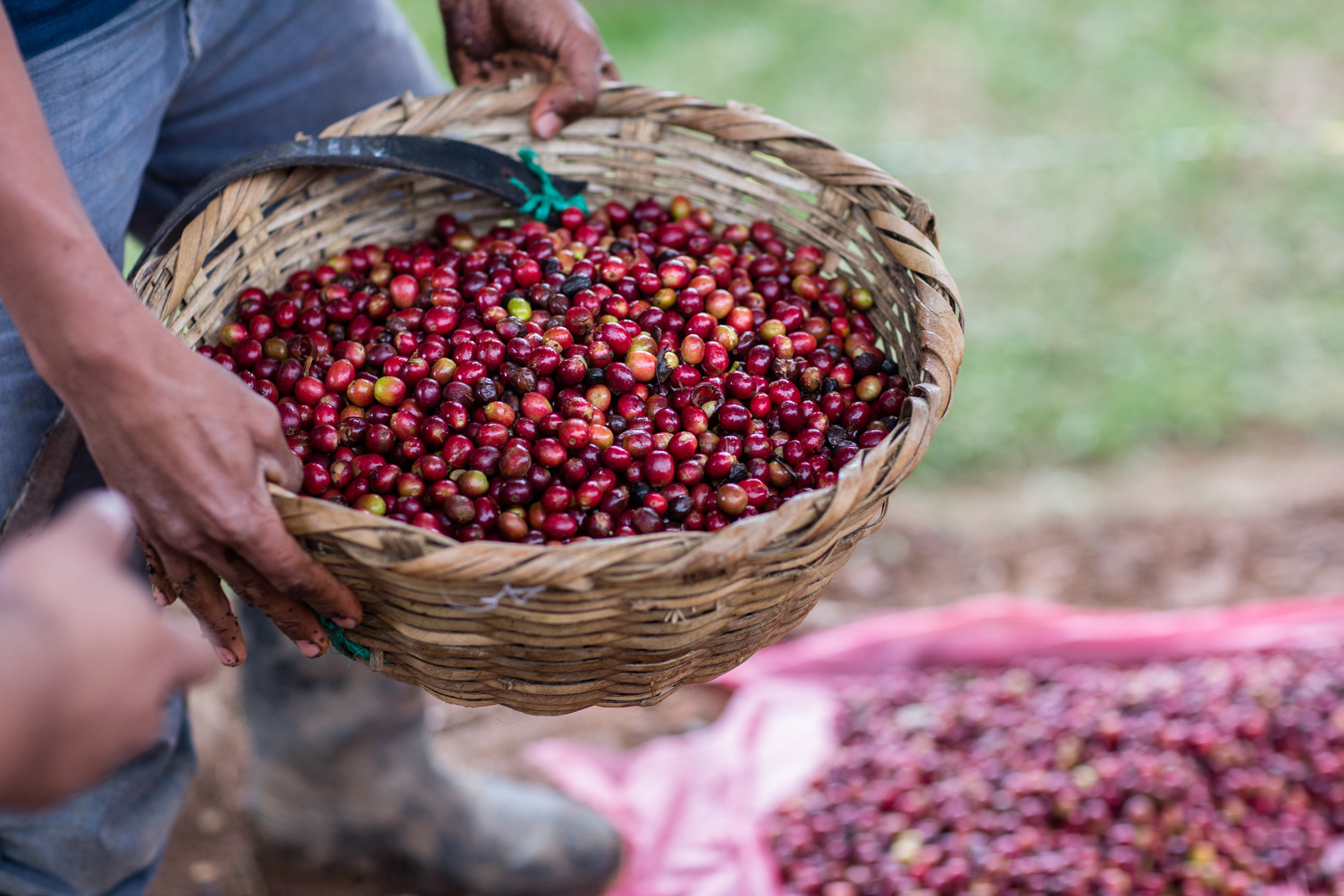
Every cup of coffee begins with the coffee plant. Many varietals are grown around the world but the bottom line is that, like any crop, coffee has to be harvested. Farmers refer to the coffee fruit as cherries.
NATURAL OR WASHED
Once the cherries have been picked the task is to release the beans - the seed inside the fruit. The two most common methods are natural and washed processing, sometimes known as wet-processing.
With natural coffee cherries are left to dry in the sun until the moisture content is low enough, usually around 12%, for the beans to be ‘hulled’ or released from their husks. This can take weeks, and nature can be fickle, so some producers prefer the washed process.
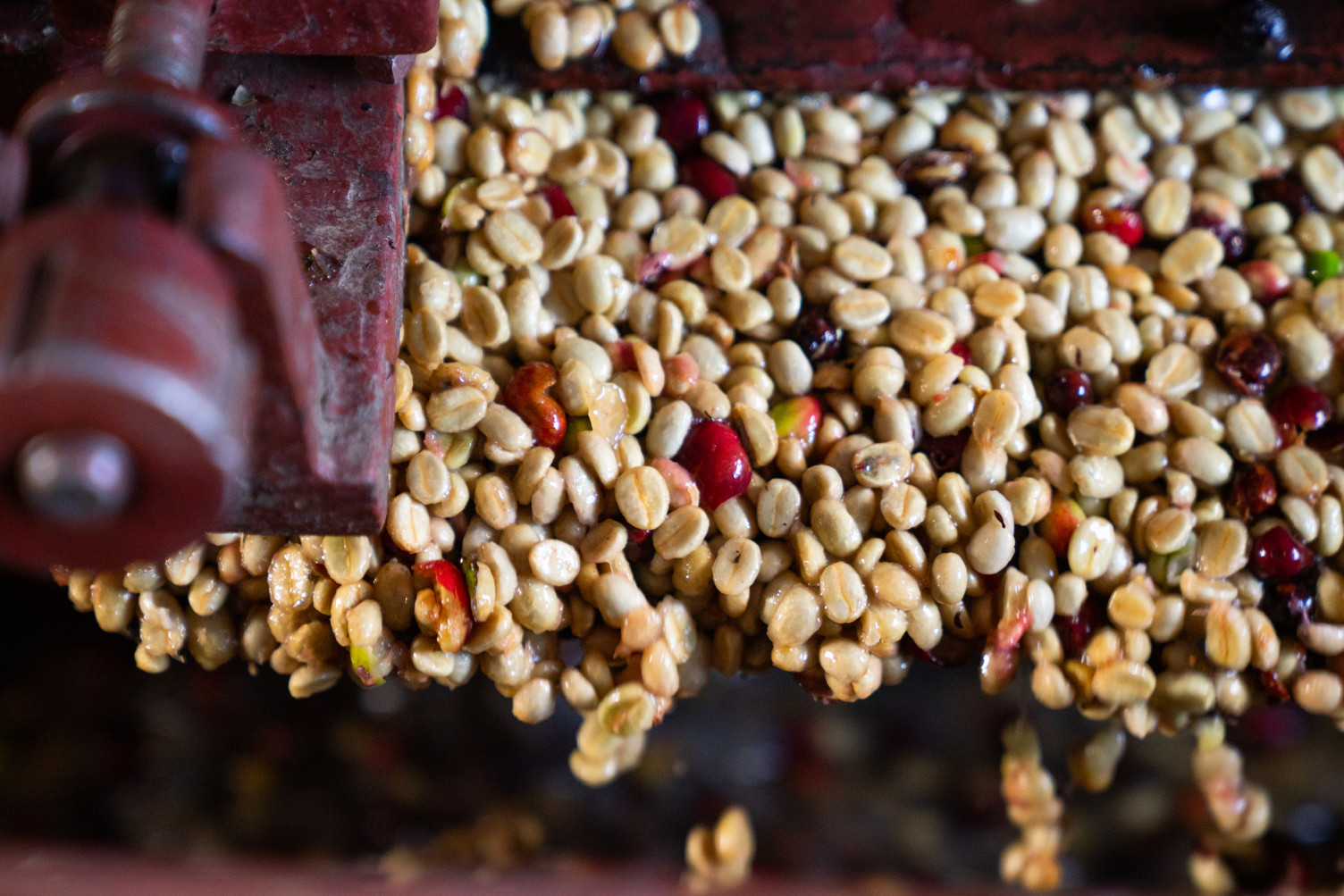
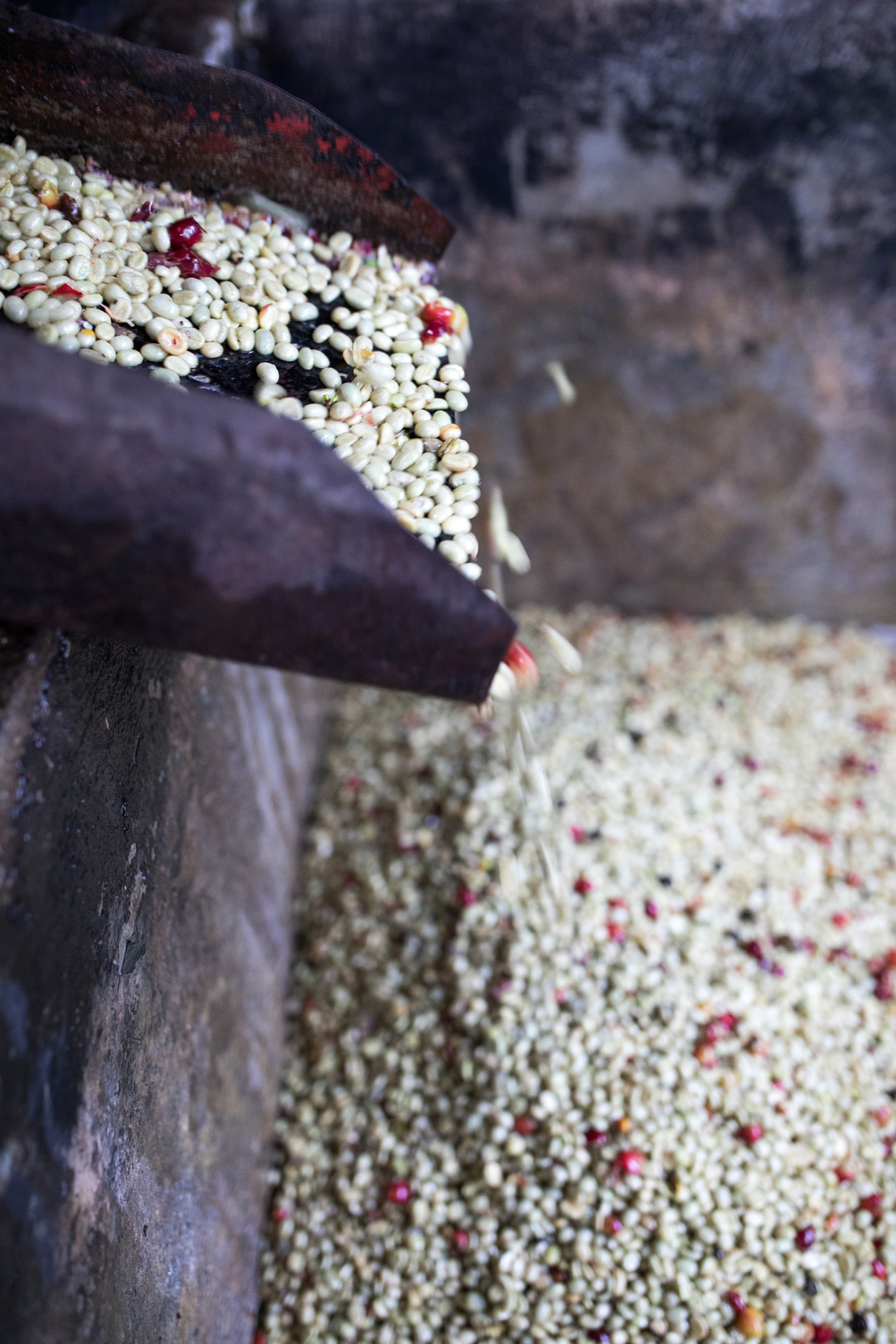
In the washed coffee process coffee cherries pass through a washing station to remove the softer outer layers before the beans are dried on patios, raised beds or mechanical driers.
TO FERMENT OR NOT TO FERMENT?
In some washing stations, to prevent fermentation, high-pressure jets of water are used to strip away the mucilage, the sticky protective layer around the bean, but many producers choose to ferment the de-pulped beans in water for 24 to 48 hours before washing away any remaining mucilage. This allows time for fermentation to add complexity and acidity to the cup.
NATURAL SWEETNESS V CLARITY
In terms of the taste experience natural coffees tend to have a fuller body, lower acidity and intense, fruit-forward sweetness. They are often described as ‘funky’ or ‘boozy’.
Washed coffees, on the other hand, tend to be brighter and cleaner, a little nuttier and more acidic with a crisp clarity on the palate. Think fresh fruit as opposed to stewed fruit.
FREQUENTLY ASKED QUESTIONS:
HOW DO I KNOW IF A COFFEE IS WASHED OR UNWASHED?
Good question. If it’s a single origin or estate-grown coffee it will usually say on the pack. Blends such as our award-winning Classico are not labelled according to process because they are made from a combination of coffees from different regions to ensure a consistent flavour profile.
DO ALL WASHED COFFEES TASTE THE SAME?
Absolutely not. There are so many variables that determine taste; climate, altitude, terroir, the timing of the harvest, the roast, even the cup you drink from can make a difference. What matters most is the quality of the coffee. All Caffe Nero coffees are fully traceable, premium quality ‘speciality’ coffees rated over 80 points out of 100 by the Specialty Coffee Association. Read more about speciality coffees here.
IS NATURAL COFFEE HEALTHIER THAN WASHED?
Not at all, it’s just a different processing method. It is generally felt that natural coffees are sweeter and more complex whereas washed coffees have a brighter, cleaner taste.
IS WASHED COFFEE DECAFFEINATED?
No. The term ‘washed’ refers to releasing the beans in a washing station before drying. Both washed and natural coffees can be decaffeinated at a later stage. Decaffeination does involve soaking in water, though.
WHAT’S THE BEST WASHED COFFEE?
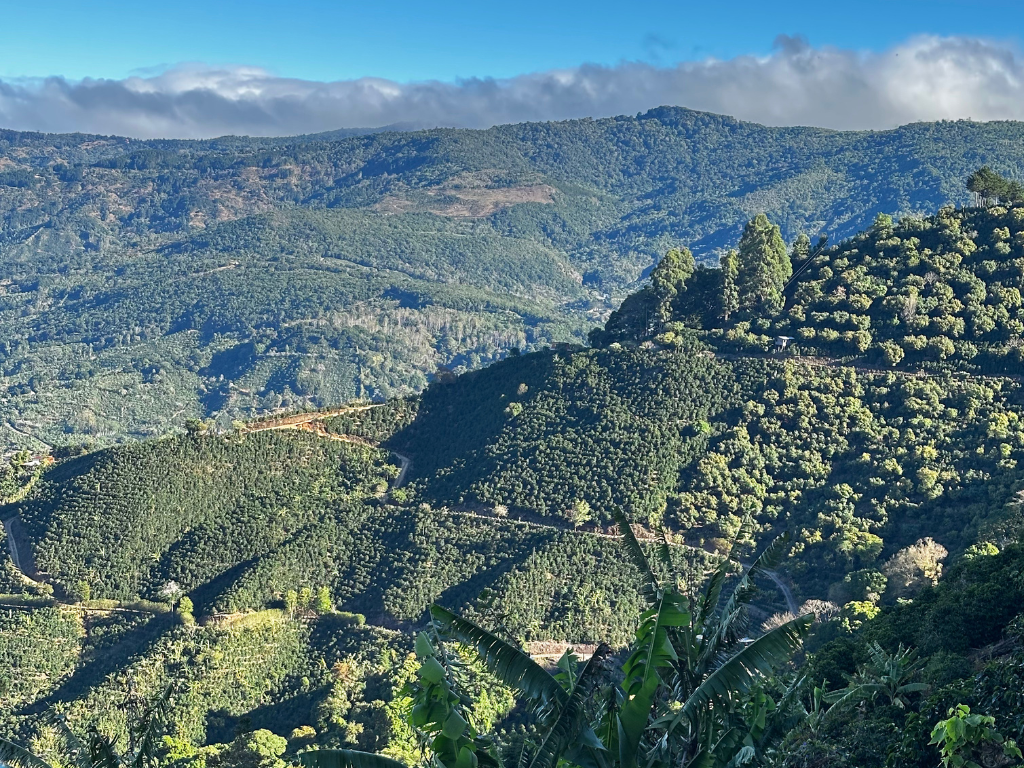
That’s for you to decide. Right now we’re big fans of our Colombia Single Origin Coffee. Grown in the Antioquia region at altitude it is bright and clean with wonderful notes of blackcurrant, toffee and apple. Give it a go and see what you think.
.jpeg)
.png)